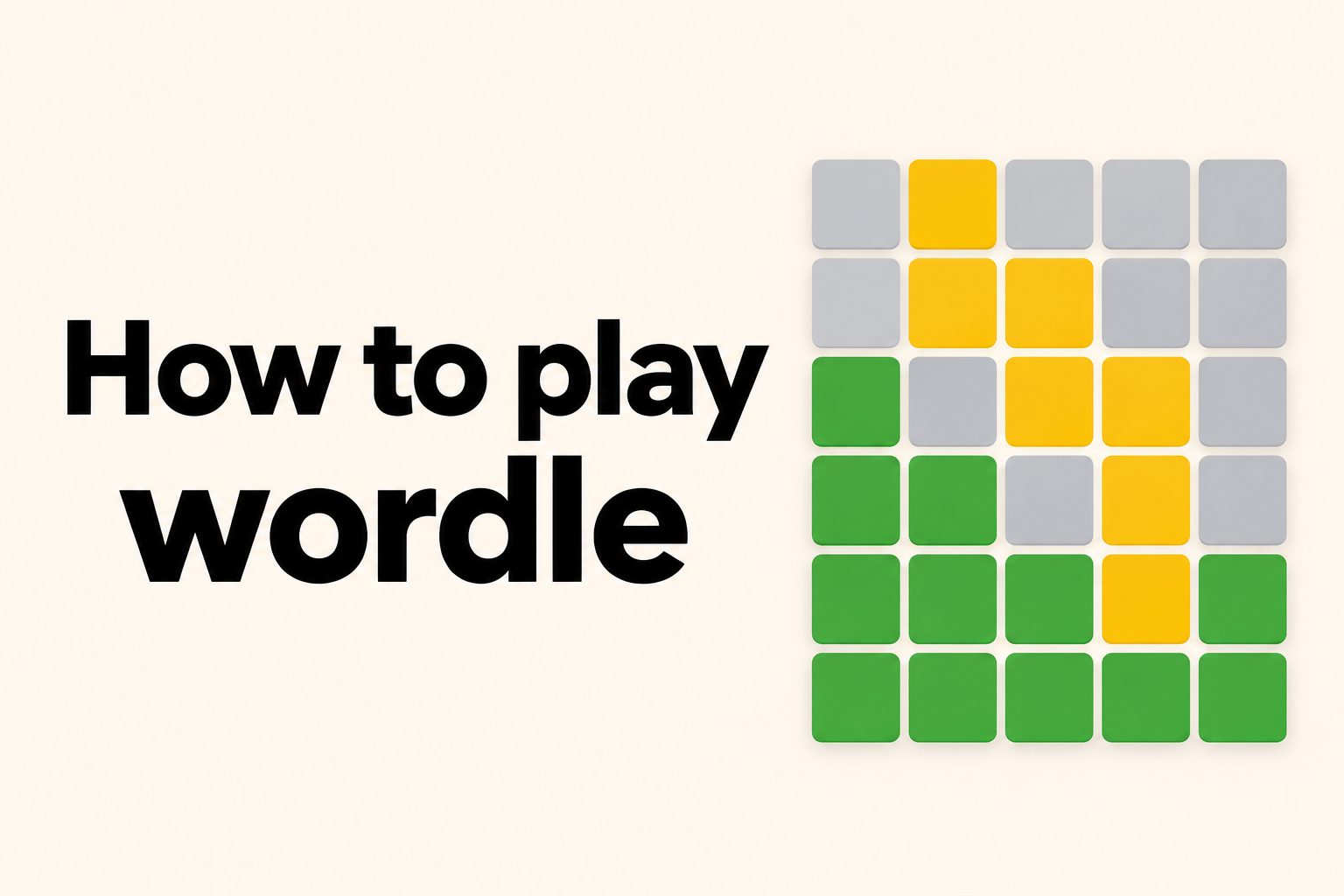
Learning how to play Wordle is simple, but solving the daily puzzle consistently takes a little strategy. The game gives you six attempts to find one five-letter word, using color feedback after every guess to guide your next move.
Wordle works because it combines vocabulary, logic, and a satisfying daily challenge. You do not need an advanced vocabulary or fast typing skills; you only need to notice patterns, eliminate weak options, and make each guess useful.
This guide explains the rules, the meaning of the tile colors, smart starting-word choices, and ways to avoid common mistakes. It also covers practical tactics that can help beginners enjoy the game and improve over time.
The goal is not to guess randomly or rush through six tries. A strong Wordle player uses each result as information, then narrows the answer with calm, deliberate choices.
Wordle is a word puzzle built around deduction. Each day presents the same hidden five-letter answer to every player, so the challenge is to reach the solution in as few guesses as possible.
You enter a valid five-letter word and submit it. The game marks each letter with a color, showing whether that letter belongs in the answer and whether it is in the correct position.
A green tile means the letter is correct and already in the right spot. Keep that letter fixed in later guesses unless you have misunderstood a repeated-letter situation.
A yellow tile means the letter appears somewhere in the answer, but it is currently in the wrong position. Move it to a new location while testing other useful letters around it.
A gray tile usually means that letter is not in the answer. Avoid using it again, because repeated gray letters waste a valuable guess unless you are testing a special repeated-letter possibility.
How Do You Play Wordle Step By Step?
Choose A Useful Opening Word
Start with a five-letter word that contains several common letters and at least two vowels. A word such as STARE, CRANE, or SLATE can reveal frequent letters early. Your first guess does not need to be the answer; its main job is to collect useful information.
Read The Tile Colors Carefully
After submitting a word, pause to read every colored tile. Green letters stay in place, yellow letters need another position, and gray letters are usually eliminated. Treat the board as a set of clues instead of focusing only on whether your first guess looked close.
Keep Confirmed Letters In Position
When a letter turns green, use it in that exact position in later guesses. This immediately reduces the number of possible words. Build around confirmed letters while checking which untested letters can complete a realistic five-letter pattern.
Move Yellow Letters To New Positions
A yellow letter is valuable because it confirms that the answer contains that letter. Do not place it in the same position on your next try. Test it in a different location while choosing a word that also introduces fresh, common letters.
Remove Gray Letters From Your Options
Gray tiles help you eliminate possibilities quickly. Avoid choosing another guess filled with letters that have already been ruled out. Instead, select words that cover letters you have not tested, especially common consonants and vowels.
Test More Than One Possibility
When several answers could fit the same pattern, use a probing guess that distinguishes among them. For example, if a pattern could use several starting consonants, choose a word that tests multiple candidates rather than guessing one option at a time.
Submit Your Best Final Guess
Before your last attempt, review all clues together: fixed positions, misplaced letters, rejected letters, and possible duplicates. Choose the word that fits every clue, not merely the first familiar word you notice. Careful review prevents avoidable losses.
Why Does Wordle Strategy Matter?
1. Strategy turns each attempt into evidence instead of a random guess. A thoughtful opening word can reveal several letters and make the remaining puzzle much smaller.
2. Good Wordle habits improve pattern recognition. You begin to notice common endings, vowel placements, and letter combinations that appear often in everyday five-letter words.
3. The game rewards elimination as much as discovery. Knowing which letters do not belong can be just as helpful as finding a yellow or green tile.
4. A measured approach reduces frustration when the answer is unfamiliar. Rather than panicking, you can compare the remaining letter pattern against the clues already on the board.
5. Regular play can strengthen attention to spelling and vocabulary. Even unsuccessful puzzles offer a useful lesson about letter frequency, word structure, or repeated letters.
Best Wordle Tips For Better Guesses
- Use Common Letters: Prioritize letters such as E, A, R, T, O, N, S, and L early because they appear in many English words and can reveal useful patterns quickly.
- Balance Vowels And Consonants: An opening guess with two vowels and several common consonants often gives broader information than a word built from unusual letters or repeated letters.
- Avoid Repeating Weak Letters: If a letter is gray, do not casually reuse it. Every guess should either test a new possibility or place a confirmed letter in a more useful position.
- Watch For Double Letters: Do not assume every letter appears only once. Words may contain repeated vowels or consonants, so reconsider duplicates when the available clues seem inconsistent.
- Use Pattern Knowledge: Common endings such as ER, ED, LY, ST, and CH can help, but only when they match the color feedback. Patterns should support logic, not replace it.
- Slow Down Near The End: Late-game choices matter most. Read the board again before submitting, especially if several similar words could fit the same green-letter pattern.
- Learn From Every Puzzle: After the answer is revealed, think about which clue you overlooked or which guess provided too little information. This reflection improves your next daily game.
What Wordle Mistakes Should You Avoid?
Ignoring Yellow Tile Positions
A frequent mistake is placing a yellow letter in the same location again. Yellow does not mean the letter is almost correct; it specifically means the letter belongs elsewhere. Move it deliberately so your next guess produces genuinely new information.
Guessing Without Using Clues
Some players enter familiar words without checking every result from previous turns. This wastes attempts and can create confusion. Before each guess, identify the letters that must stay, the letters that must move, and the letters that are no longer useful.
Using Too Many Rare Letters Early
Words containing uncommon letters may feel interesting, but they often provide limited early value. Start with common letter combinations first. Save unusual letters for later, when the puzzle clues strongly suggest that they may be necessary.
Forgetting Possible Double Letters
Players often reject the correct answer because they assume a confirmed letter appears only once. If a puzzle seems to have no solution, consider whether a vowel or consonant could be repeated. This is especially important after a surprising tile result.
Chasing One Familiar Word
Seeing a partial pattern can make you commit too quickly to a common word. Instead of forcing the pattern, check whether the candidate obeys every green, yellow, and gray clue. A familiar word is still wrong if one tile contradicts it.
Wasting A Guess On Similar Options
When several words differ by only one letter, guessing them one after another can consume all remaining turns. Use a strategic test word that includes multiple possible letters, helping you identify the correct option with fewer guesses.
Treating A Loss As Failure
Not every daily Wordle puzzle will be solved, and that is normal. The better response is to review the path you took. Notice whether your opening word, elimination choices, or final pattern analysis could be improved next time.
Wordle is easy to begin because the rules are clear: guess a five-letter word, read the colors, and solve the answer within six attempts. Its real appeal comes from the small decisions made after every clue.
The most effective approach is to choose informative opening words, protect green letters, reposition yellow letters, and eliminate gray letters. Each guess should make the answer set smaller.
Be patient when repeated letters or similar word patterns appear. A brief review of the board often reveals more than a rushed extra guess.
With regular practice, you will become more comfortable spotting letter patterns and making purposeful choices. The daily challenge stays enjoyable because every new puzzle offers a fresh chance to use the same simple logic.
FAQs About How To Play Wordle
Is Wordle difficult for beginners?
Wordle is beginner-friendly because the rules are easy to learn and every guess provides color-coded feedback. Beginners may not solve every puzzle at first, but using common letters, reading tiles carefully, and avoiding repeated gray letters makes progress happen quickly.
What Do Green, Yellow, And Gray Tiles Mean?
Green means a letter is in the answer and in the correct position. Yellow means the letter is in the answer but belongs in a different position. Gray usually means the letter does not appear in the answer, so it should normally be eliminated.
What Is A Good First Word In Wordle?
A good first word uses common letters and includes a useful mix of vowels and consonants. Words such as STARE, CRANE, and SLATE are popular because they test letters that appear frequently in English words without repeating letters too early.
Can A Wordle Answer Have Repeated Letters?
Yes, a Wordle answer can contain repeated letters. This can make a puzzle harder because players may assume each letter appears once. If the clues seem confusing or no single-letter pattern fits, consider whether the answer may use a letter twice.
Should You Use The Same Starting Word Every Day?
Using the same starting word can be helpful because it creates a familiar routine and lets you compare results consistently. However, changing your opening word occasionally can test different letter combinations and prevent you from relying too heavily on one habit.
How Can You Solve Wordle In Fewer Guesses?
To solve Wordle in fewer guesses, make each early word informative rather than trying to guess the answer immediately. Use common letters, avoid gray tiles, move yellow letters, and choose test words that separate several possible answers at once.